





























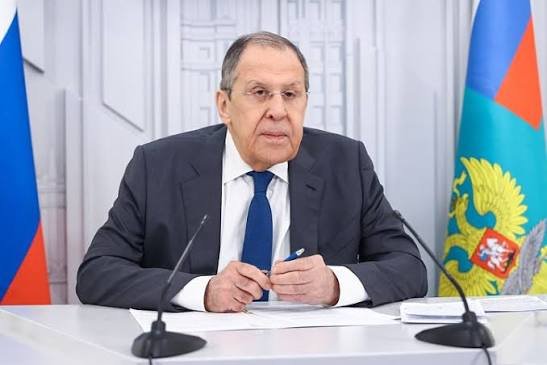
On March 3, 2026, Russian Foreign Minister Sergey Lavrov stated that there is no evidence Iran has developed nuclear weapons, challenging the basis for the ongoing U.S.-Israeli military actions against Iran.
After talks with Brunei’s Second Minister of Foreign Affairs, Erywan Yusof, Lavrov said, “No one has yet seen evidence of Iran developing nuclear weapons.”
He stressed that Russia sees no proof of such activity, noting that the International Atomic Energy Agency (IAEA) and U.S. intelligence support Iran’s claim of having no nuclear weapons.
Lavrov identified the lack of evidence as the main justification for the current conflict, describing it as “essentially a war” in the Middle East.
This statement comes amid recent U.S. and Israeli strikes targeting Iran’s leadership and military infrastructure, including the reported assassination of Supreme Leader Ayatollah Ali Khamenei.
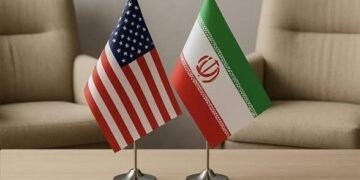
Russia has condemned these strikes as “unprovoked aggression” and a breach of international law, accusing the U.S. and Israel of using nuclear concerns as a pretext for regime change while striking facilities protected under IAEA safeguards.
The IAEA has reported no damage to key nuclear sites from these actions. While concerns about Iran’s uranium enrichment and past activities persist, no recent public evidence indicates an active nuclear weapons program.
Iran insists its nuclear program are peaceful and denies any weapons ambitions.
Lavrov’s comments reflect Russia’s call for an immediate end to hostilities, a return to negotiations based on the Nuclear Non-Proliferation Treaty and U.N. principles, and criticism of the strikes which have disrupted diplomatic talks.
China similarly urged de-escalation on March 3, with Foreign Ministry spokesperson Mao Ning reaffirming Iran’s non-weapon intentions and calling on the U.S. and Israel to cease military actions.
The strikes have halted diplomatic progress, with Iran dismissing negotiations under current conditions.
Although Russia maintains strategic ties with Iran, including past drone and missile cooperation, it has mainly expressed verbal and diplomatic support, condemning the attacks at the U.N. and in bilateral discussions without direct intervention.
Lavrov’s statement highlights growing divergence in global narratives: Western countries and Israel emphasize proliferation risks, while Russia and China view the military response as disproportionate and pretextual.
As the Middle East conflict intensifies, with potential wider spillover, the debate over evidence, diplomacy, and force measures remains central to efforts to de-escalate.

Administrator and Writer