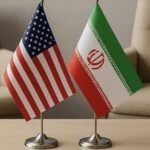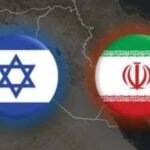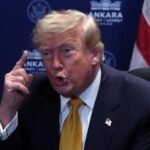






















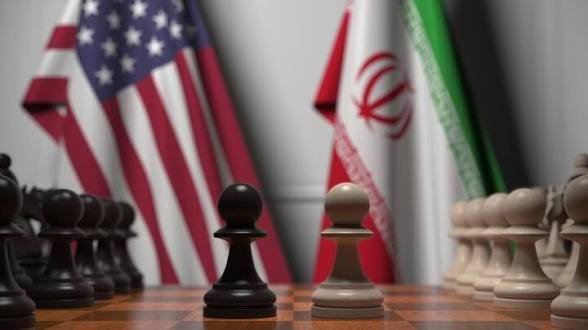
The United States and Iran have agreed to a framework deal that would formally end their months long war, President Donald Trump announced on Sunday, ordering the immediate reopening of the Strait of Hormuz and the removal of a US naval blockade that has choked global energy markets since April.
The memorandum of understanding — a 60-day ceasefire extension with a formal signing ceremony set for Friday, June 19 marks a diplomatic breakthrough since February 28 2026 US and Israeli forces launched their assault on Iran.
It commits both sides to immediate hostilities and opens a window for negotiations over Iran’s nuclear programme, sanctions relief, and a long-term peace agreement.
The Deal with the Islamic Republic of Iran is now complete,” Trump wrote on Truth Social, adding: “Ships of the World, start your engines. Let the oil flow!”
Iran’s deputy Foreign Minister Kazem Gharibabadi confirmed the agreement on Sunday, marking Tehran’s clearest public endorsement of the deal to date.
What the Deal Contains
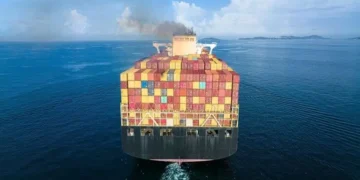
Under the terms of the memorandum, the Strait of Hormuz — the narrow waterway through which roughly 20 percent of the world’s oil and liquefied natural gas passes — will reopen to toll-free international shipping.
The US naval blockade imposed on April 13, following the collapse of earlier Islamabad Talks, will be simultaneously lifted.
During the 60-day ceasefire window, negotiators are expected to tackle the hardest outstanding issues: the fate of Iran’s stockpile of highly enriched uranium — currently standing at 440.9 kilograms enriched to 60 percent purity, a technical step from weapons-grade — the future of Iran’s nuclear facilities, and the lifting of US-imposed sanctions.
Iran is also understood to have committed, in principle, to refraining from uranium enrichment for a period of 15 to 20 years.
Talks are being mediated by Pakistan and cover a 15-point framework that, if finalised, would also require the decommissioning of key Iranian nuclear sites including Natanz, Isfahan, and Fordow, and the surrender of enriched uranium to the International Atomic Energy Agency.
The conflict erupted after years of failed nuclear diplomacy. Following the collapse of the Joint Comprehensive Plan of Action and unsuccessful indirect talks in 2025, the United States and Israel launched coordinated strikes on Iranian targets in February.
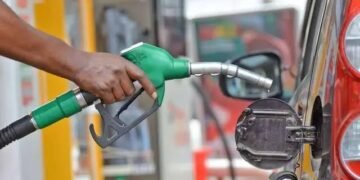
Iran’s response — closing the Strait of Hormuz — sent global oil prices soaring and triggered fuel shortages across parts of Asia.
A first ceasefire, brokered by Pakistan in early April, held despite early violations. But subsequent weeks were marked by brinkmanship: Trump threatened to “decimate” Iran in a single night if the Strait was not reopened,
US forces struck Iranian missile sites as recently as May 25, and the Treasury Department imposed additional sanctions on Iran’s military oil sales arm even as negotiators reached the tentative MOU on May 28.
Trump, who turned 80 on Sunday, struck a triumphal tone but also issued an implicit warning: the US could restart military operations or assume the role of “guardian of the Middle East” if the deal falters.
Meanwhile, Israeli strikes near the Lebanese border on June 12 targeting sites linked to Hezbollah have introduced new regional volatility that negotiators will need to manage.
“Many presidents have tried to make peace with Iran, and all have failed before me,” Trump wrote.
Whether that assessment proves accurate will depend on whether the next two months of talks can bridge the vast gap between Washington’s demands for Iranian nuclear disarmament and Tehran’s insistence on sovereignty, reconstruction, and the removal of decades of sanctions.

Administrator and Writer