







































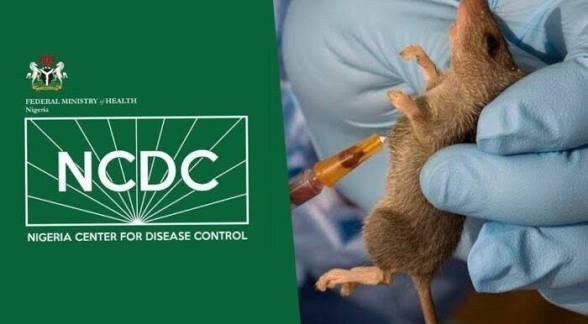
The Nigeria Centre for Disease Control and Prevention (NCDC) has confirmed there are currently no confirmed or suspected cases of hantavirus in Nigeria, even as a rare outbreak of the Andes strain aboard the MV Hondius luxury expedition cruise ship continues to draw attention.
In a public health advisory, the NCDC stated that the overall public risk to Nigerians remains low.
The agency is monitoring the global situation, emphasizing rodent control, hygiene, and reliance on verified information sources.
The Dutch-flagged MV Hondius, operated by Oceanwide Expeditions, departed Ushuaia, Argentina, on April 1, 2026, for a polar expedition cruise.
The vessel is now expected to arrive in Tenerife on or around May 10–11, where passengers will undergo strict medical screening, isolation, and repatriation protocols.
According to the World Health Organization (WHO), as of May 8 2026, there are approximately six to eight cases linked to the ship, including six confirmed and additional suspected infections.
Three passengers have died. Confirmed cases involve the Andes virus, a hantavirus strain native to parts of South America that is primarily rodent-borne but has documented—though rare limited human-to-human transmission.
Timeline of the Outbreak
The first death occurred on April 11 when a 70-year-old Dutch man died aboard the ship.
His 69-year-old wife later died in South Africa after disembarking.
A third passenger, a German national, also succumbed to the illness.
Additional patients were medically evacuated, including individuals treated in South Africa, the Netherlands, and elsewhere.
Some passengers who left the ship earlier reports suggest around 29 to 40 individuals—disembarked before the full scope of the outbreak was known, complicating tracing efforts.
The ship was anchored off Cape Verde for several days after local authorities denied docking permission.
It departed for the Canary Islands earlier this week under enhanced sanitation measures, with remaining passengers and crew largely confined to cabins.
What Is Hantavirus?
Hantaviruses are transmitted to humans mainly through contact with infected rodent urine, droppings, or saliva, often via aerosolized particles.
Symptoms can include fever, muscle aches, gastrointestinal distress, and in severe cases, hantavirus pulmonary syndrome leading to respiratory failure and shock.
The Andes strain’s potential for limited person-to-person spread—typically requiring close contact has raised specific concerns in the confined ship environment, though experts stress it is far less transmissible than respiratory viruses like COVID-19.
The WHO and national health authorities, including those in Spain, the Netherlands, South Africa, and the United States, have emphasized that the overall public risk remains low.
No widespread community transmission has been reported. WHO Director-General Tedros Adhanom Ghebreyesus reassured residents of Tenerife that “this is not another COVID,” noting no currently symptomatic individuals aboard upon arrival.

Administrator and Writer