





























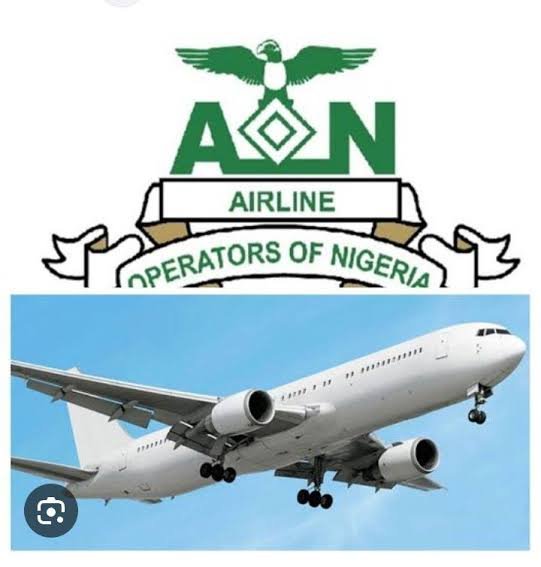
Domestic airlines have warned that they will suspend flights across Nigeria if aviation unions disrupt the operations of any member airline again.
They also want to participate in the ongoing reconstruction of the Murtala Muhammed International Airport (MMIA), Lagos.
The Airline Operators of Nigeria (AON) issued the warning after unions picketed Air Peace flights on August 11 in Lagos and Abuja. This was stated in a communiqué issued after the association’s general meeting in Abuja.
The operators condemned what they called the “violent disruptive action” of the unions.
They said the protest brought activities at Terminals 1 and 2 of Lagos Airport and the Nnamdi Azikiwe International Airport, Abuja, to a halt. AON described the blockades as “unlawful interference” under Annex 17 of the International Civil Aviation Organisation (ICAO) convention.
AON stated that Air Peace alone had over 70 flights affected, with estimated losses exceeding ₦2 billion.
More than 30 flights by United Nigeria Airlines were also disrupted, impacting roughly 13,000 passengers. Travellers were stranded, and airlines had to rebook passengers, organise accommodation, and issue refunds.
The operators added that the incident damaged international and investor confidence in the sector. They noted it occurred at a time of existing pressure from high aviation fuel prices and foreign exchange-related aircraft maintenance costs.
The dispute between the airlines and the unions centred on the payment of statutory funds to government agencies, with the unions raising concerns about the implications of non-payment.
The unions also accused some airlines of preventing workers from joining labour organisations, which they described as unacceptable.
AON said the action went beyond an industrial dispute because it affected passengers, airline staff, and airport security.
The association also responded to public criticism of flight delays and cancellations. It stated that airlines do not deliberately cause these issues, as carriers lose money and reputation whenever passengers are delayed. It attributed the problems to factors such as bad weather, congested aircraft parking at Lagos and Abuja airports, restricted operating hours at some secondary airports, VIP movements, bird strikes, foreign object damage, fuel shortages, inefficient air traffic management, and inadequate airport infrastructure.
AON praised the Federal Government and the Federal Airports Authority of Nigeria (FAAN) for investing in terminal infrastructure to enhance passengers’ experience. It urged the authorities to involve airline operators from the early stages of the reconstruction, as carriers could help identify design problems that might hinder the smooth movement of passengers and aircraft once completed.
The association called on the Federal Government and FAAN to ensure that airlines’ operational input is incorporated into the project from the outset.

Administrator and Writer