























As the war between the US, Israel, and Iran disrupts shipments through the Strait of Hormuz, several African nations are urgently seeking fuel supplies from Nigerian billionaire Aliko Dangote’s refinery, due to the vulnerability to global energy shocks.
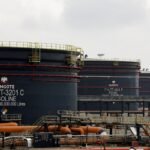
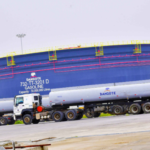
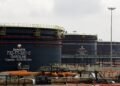
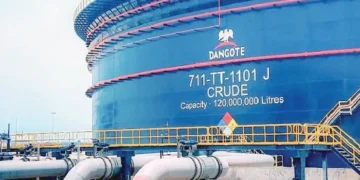
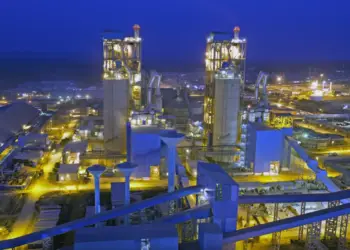
The 650,000-barrel-per-day Dangote Petroleum Refinery, has received a surge of inquiries from governments across Africa and even beyond the continent according to a company executive.
South Africa is negotiating a potential 12 month supply contract, while Ghana, Kenya, and other countries in East and Southern Africa have reached out for urgent deliveries.
East and Southern Africa source roughly 75% of their refined fuel imports from the Middle East, according to energy consultancy CITAC.
The ongoing war, which escalated in late February 2026 with strikes and retaliatory actions including disruptions to the critical Strait of Hormuz chokepoint, has throttled flows of refined products.
This has triggered higher freight costs, price volatility, and fears of shortages in multiple markets.
Africa produces about 7% of the world’s crude oil but has seen its refining capacity shrink by roughly one-third over the past two decades.
The country is now “actively coordinating with industry stakeholders to secure both crude oil and refined petroleum products from a diversified range of sources,” according to a government statement.
A comprehensive contingency plan is reportedly in place.
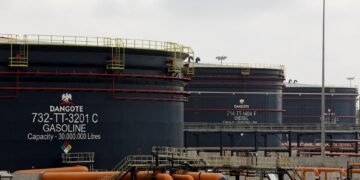
Dangote Refinery operations have ramped up significantly since commercial startup in 2024, with the facility now capable of producing gasoline, diesel, jet fuel, and other products at scale.
About 75% of its output is allocated to the Nigerian domestic market, leaving the balance available for export.
The refinery has already begun supplying diesel and aviation fuel to parts of Europe.
Aliko Dangote has stressed that the current crisis is about securing supply rather than negotiating the lowest price. “Right now it is not about pricing, it’s about availability,” he told *The Economist*. “I think the situation will continue for a while.”
Despite these challenges, executives have prioritized uninterrupted supply to Nigeria while responding to international requests.

Administrator and Writer