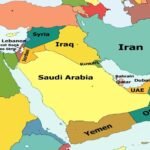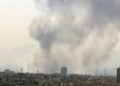

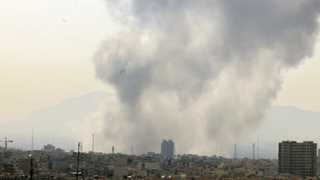






































Global oil prices are experiencing a surge following escalating military conflict in the Middle East, triggered by U.S. and Israeli strikes on Iran.
The attacks, which reportedly resulted in significant casualties including high-level Iranian leadership, have prompted Iranian retaliation and severe disruptions to key energy shipping routes.
The primary driver of the surge is the effective restriction of the Strait of Hormuz, a vital chokepoint handling about 20% of the world’s daily seaborne crude oil and substantial liquefied natural gas volumes.
Iranian forces issued warnings against tanker passage, leading to attacks on at least three vessels near the strait.
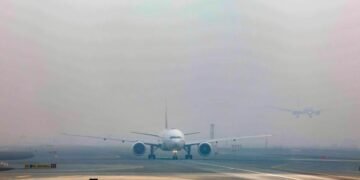
Shipping has largely halted, with over 150 tankers now anchored in the Gulf, avoiding transit.
Major oil companies and traders have suspended shipments through the waterway, creating immediate supply fears despite Iran’s own output representing only around 3% of global supply.
Before the weekend escalation:
– Brent crude closed Friday at approximately $72.87–$73 per barrel, already at multi-month highs after weeks of tension-driven gains.
-U.S. WTI crude settled near $67 per barrel.
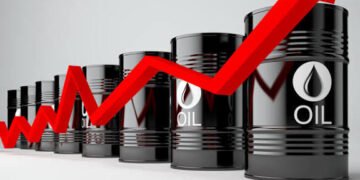
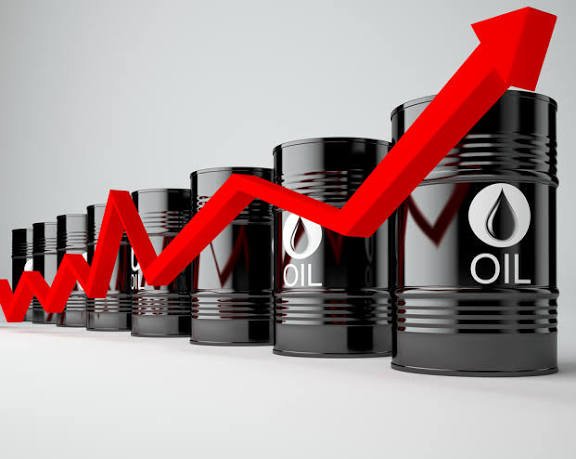
In over-the-counter trading on Sunday the 1st of March, Brent jumped roughly 10% to about $80 per barrel.
A short-term spikes of $5–$20 or more per barrel aris anticipated, while a prolong disruption could also push price higher, driven.
This volatility stems largely from market fear of sustained chokepoint closure, which could reroute supplies and tighten global availability significantly.
In response, OPEC (including Saudi Arabia, Russia, and allies) agreed on Sunday to increase output by 206,000 barrels per day starting in April a modest but accelerated boost compared to prior plans to help offset potential shortages.
Saudi Arabia and the UAE are ramping up exports where feasible. However, with Hormuz flows disrupted, this measure provides limited immediate relief and may not fully counteract the supply shock if the conflict persists.
The surge threatens higher gasoline, diesel, and energy costs worldwide, fueling inflation and pressuring economies including in Nigeria, where fuel prices at the pump could rise swiftly.
This event underscores the extreme sensitivity of global oil markets to Middle East geopolitics, with the coming trading days set to reveal the full extent of the surge.

Administrator and Writer