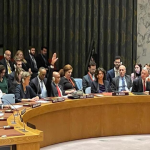














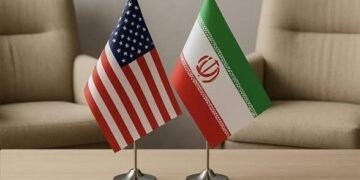




















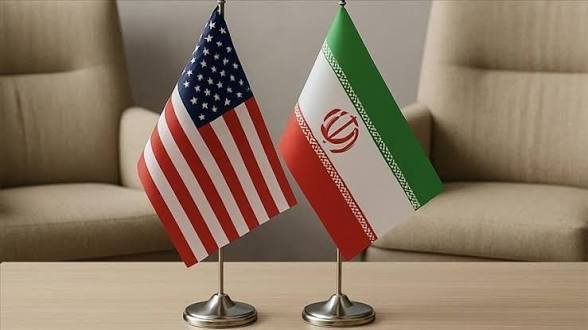
In a last-minute breakthrough, US President Donald Trump announced a two-week ceasefire with Iran on April 7, 2026, just hours before his deadline for potential military strikes that could devastate the country.
The deal, brokered with help from Pakistani Prime Minister Shehbaz Sharif and Field Marshal Asim Munir, stops US and Israeli attacks on Iranian targets in exchange for Iran allowing safe passage of shipping through the Strait of Hormuz, a key choke point carrying about one-fifth of the global oil trade.
Trump called it a “double-sided CEASEFIRE” and a “big day for world peace,” stating the US met its military objectives and that the pause would help finalize a longer-term deal.
Iranian Foreign Minister Abbas Araghchi confirmed the arrangement, noting that if attacks on Iran cease, Iranian counter-operations would also stop.
For two weeks, “safe passage” through Hormuz will be possible via coordination with Iran’s Armed Forces, considering technical limits.
The ceasefire follows over five weeks of intense conflict that started in late February 2026 with US and Israeli strikes on Iranian military sites, nuclear facilities, and infrastructure.
Iran responded with missile and drone attacks across the region, threatening shipping through Hormuz.
Trump issued warnings, setting an April 7 deadline, warning that failure could destroy “a whole civilization.”
The standoff spurred oil price spikes and disrupted global energy.
Some vessels have begun transiting Hormuz, but traffic remains below normal.
The truce faces challenges. Israel continued strikes on Iran-linked Hezbollah in Lebanon, actions US and Israel say are outside the ceasefire.
Iran protested these operations and has restricted Hormuz traffic in response. Vice President JD Vance called the deal a “fragile truce,” and Iranian officials warned peace talks would be “unreasonable” if Israeli actions persisted.
Pro-government rallies in Tehran supported the leadership.
Negotiations for a more permanent deal start this weekend in Islamabad, with key issues including Iran’s nuclear program, sanctions, regional security, and long-term Hormuz arrangements.
The two-week window offers a pause but risks reigniting hostilities if violated, affecting global energy security and stability.

Administrator and Writer